

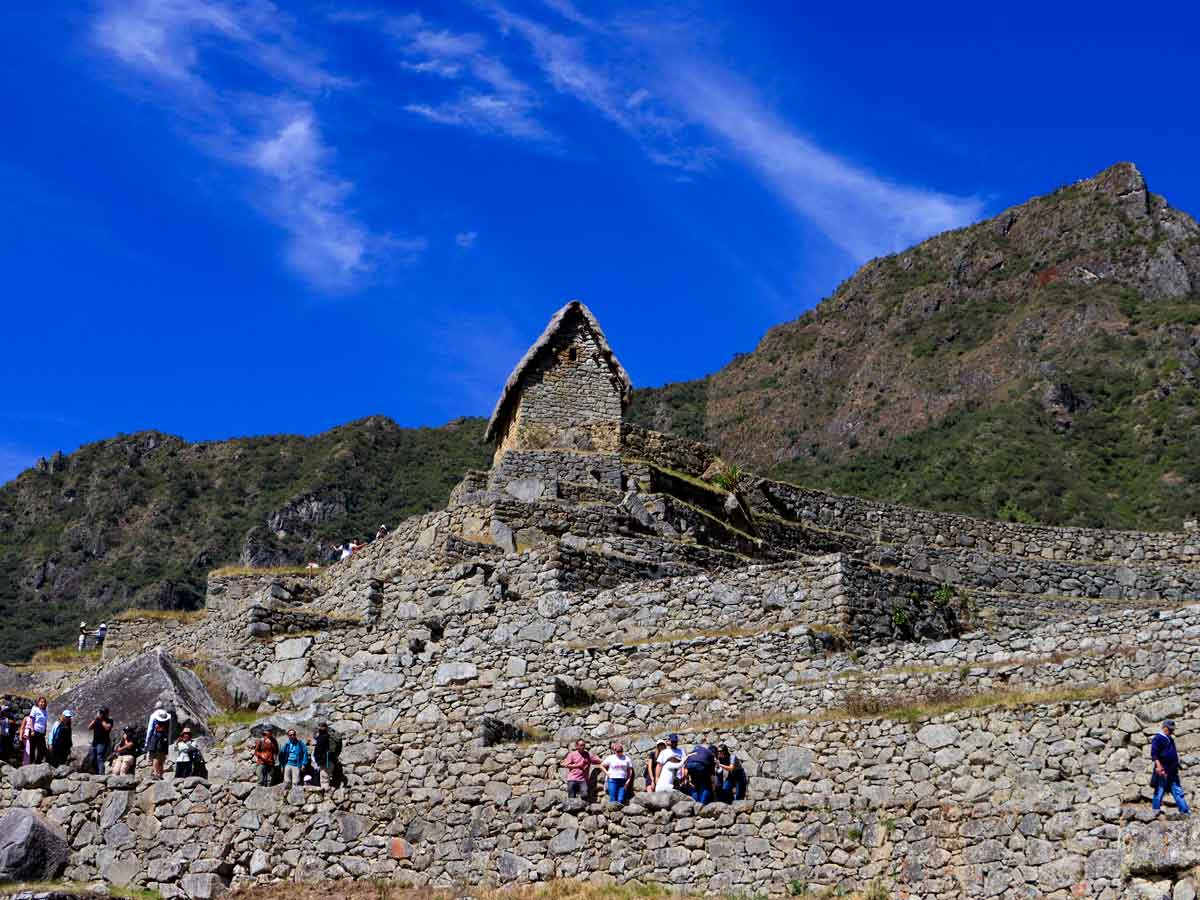
Peru has scrapped its three-hour advance reservation system after discovering that nearly two out of every three bookings were being cancelled. Now visitors have just 15 minutes to complete their purchase.
Getting a ticket to Machu Picchu can be frustratingly difficult at certain times of year. But the problem wasn’t simply a matter of visitor limits. Thousands of tickets were sitting blocked, appearing unavailable, even though nobody ever actually bought them.
Peru’s government has now put numbers to this issue. An audit examined 209,051 booking transactions made by eight travel companies and found that 131,626 — nearly two out of three — were eventually cancelled. Only 73,956, or 35.38%, were completed with payment.
Whilst those tickets remained locked, other travellers couldn’t buy them. Now that’s changing. Peru has announced it’s getting rid of the three-hour advance reservation entirely and switching to a direct sales system instead.
Nearly Two Out of Three Bookings Were Cancelled
The old system let you pick a ticket and hold it for three hours before paying. During that time, it disappeared from availability for everyone else.
The trouble was when the purchase didn’t go through. The Machu Picchu ticket would return to the system, but it had been sitting blocked the whole time. The audit shows just how big the problem was: 62.96% of transactions by those eight companies were later cancelled.
This change is meant to speed things up and get tickets back into circulation faster when a booking falls through.
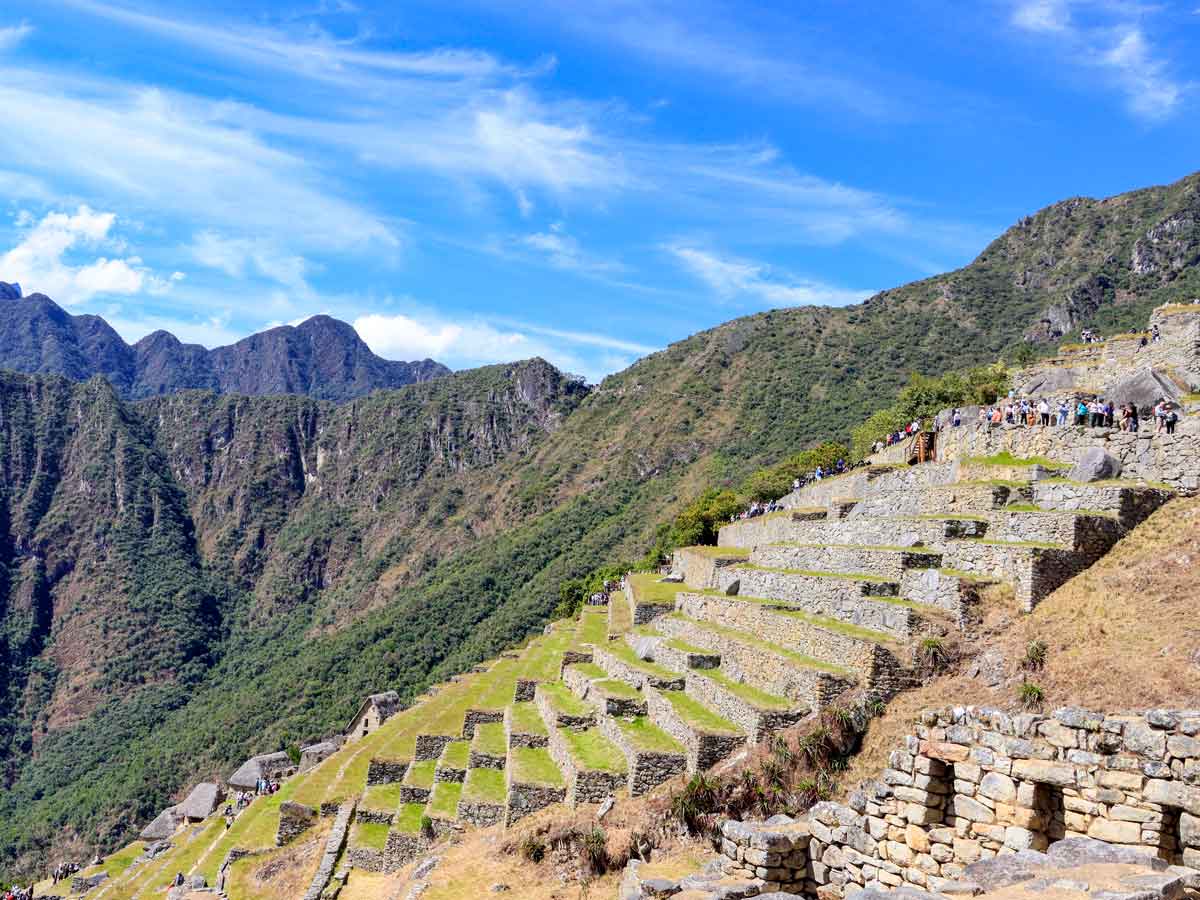
The New System Tu Boleto: 15 Minutes to Buy
The new process is far more straightforward. When a visitor finds availability for their chosen date and circuit, they’ll have a maximum of 15 minutes to complete the purchase. Once payment’s verified, the ticket goes into their name. If the transaction doesn’t finish, the ticket goes straight back into the system for someone else to buy.
For anyone planning a trip, this means arriving at the platform already knowing what you want. Tickets continue to be sold through Tu Boleto, Peru’s official state platform.
When it comes to the Inca Trail, travel agencies still play a part in the booking process.
Machu Picchu: 1.5 Million Visitors a Year
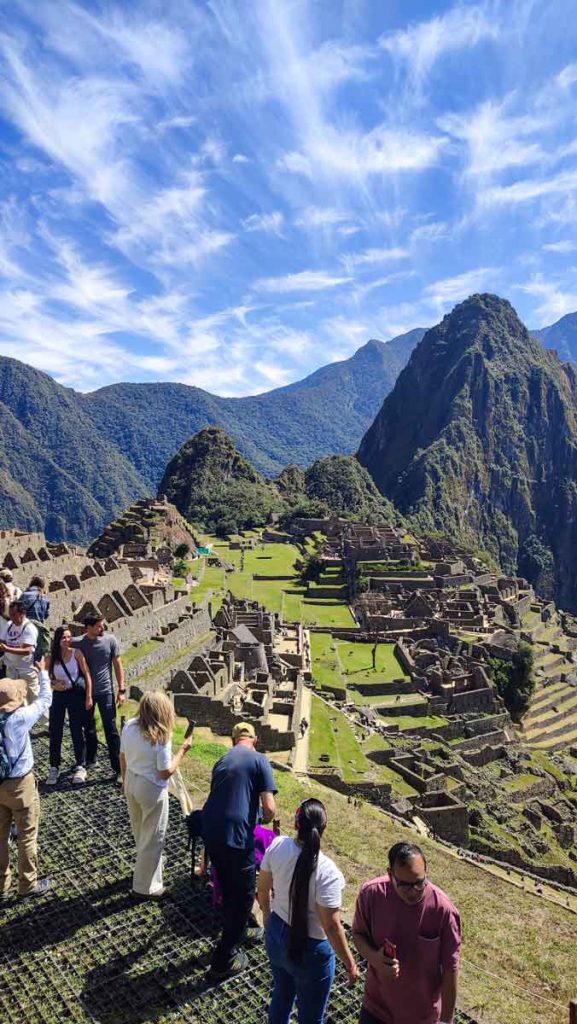
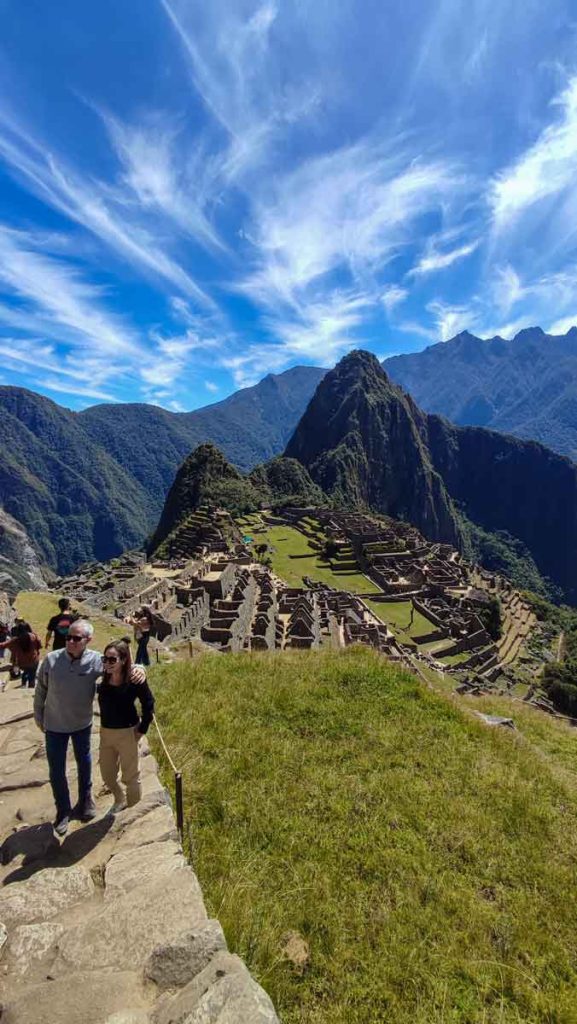
Understanding Machu Picchu’s scale helps explain why any change to access matters so much. In 2024, it received roughly 1.5 million visitors, bringing the archaeological site back to pre-pandemic levels.
Managing that many people raises challenges well beyond simply finding a ticket. Machu Picchu is both one of Peru’s great tourist destinations and an especially sensitive archaeological and natural space. How many people can visit and how they move through the site have been central to its protection for years.
Peru’s regulations include special measures when peak season arrives. Before those periods, the state of the architectural structures is assessed, and any vulnerable areas or critical points can be closed off if conservation needs require it.
 |
 |
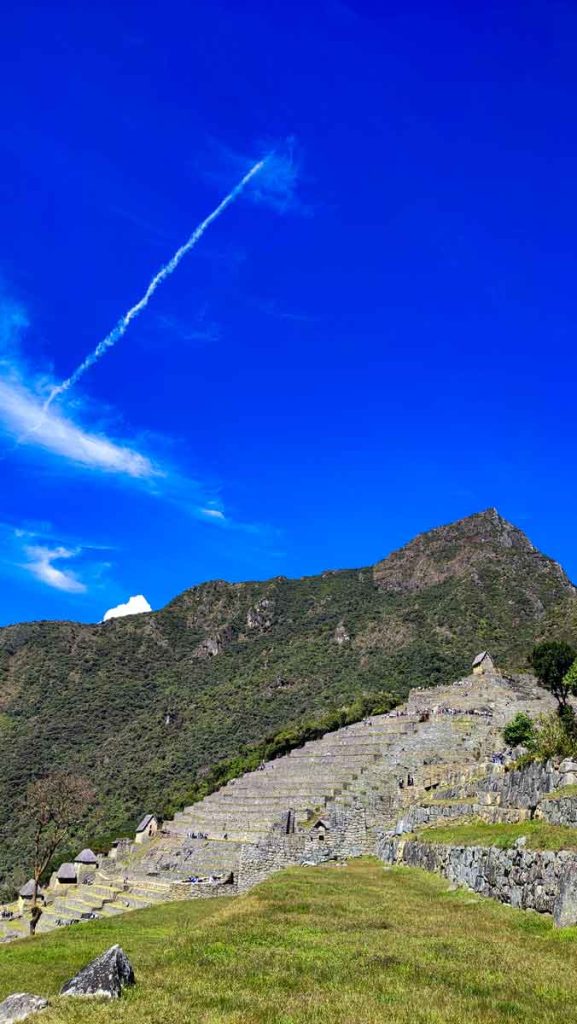 |
|---|---|---|
| Machu Picchu Peru | Machu Picchu | Machu Picchu |
Tourist Capacity at Machu Picchu: UNESCO Calls for a Review
Pressure from tourism continues to be watched closely by UNESCO. The World Heritage Committee raised concerns again in 2026 about daily admission levels still exceeding what was approved in the 2015 carrying capacity study.
The organisation has asked Peru to conduct a new evaluation and emphasises that protecting Machu Picchu’s outstanding universal value and ensuring visitor safety must be the deciding factors when setting capacity.
Peru’s authorities point to measures introduced over recent years to reduce the impact of visits: reorganised tour routes, permanent restrictions in vulnerable zones, staggered entry times, and ongoing conservation monitoring.
What Hasn’t Changed at Machu Picchu: Up to 5,600 People a Day
The new ticket system doesn’t mean more people can visit. The standard daily cap remains 4,500 visitors, with a peak season maximum of 5,600. In 2026, that higher limit applies between 19 June and 2 November, among other periods.
You can still buy a ticket once you’re there. The Ministry of Culture continues to sell up to 1,000 tickets daily in person at Machupicchu Pueblo. These must be purchased directly and give access to the Inca city the following day. They count towards the total daily limit.
Even with a ticket, you won’t have the run of the place. Since June 2024, visits have been organised into three circuits covering ten different routes, a system designed to spread visitor numbers across different areas.
The new system isn’t increasing how many people can visit Machu Picchu. It’s simply stopping tickets from being tied up for hours when a purchase never actually happens.