

Machu Picchu, often dubbed the “City in the Clouds,” is a marvel of Inca engineering and a testament to the ingenuity of an ancient civilization. Delve deeper into the historical and cultural richness of this iconic site.
Machu Picchu History
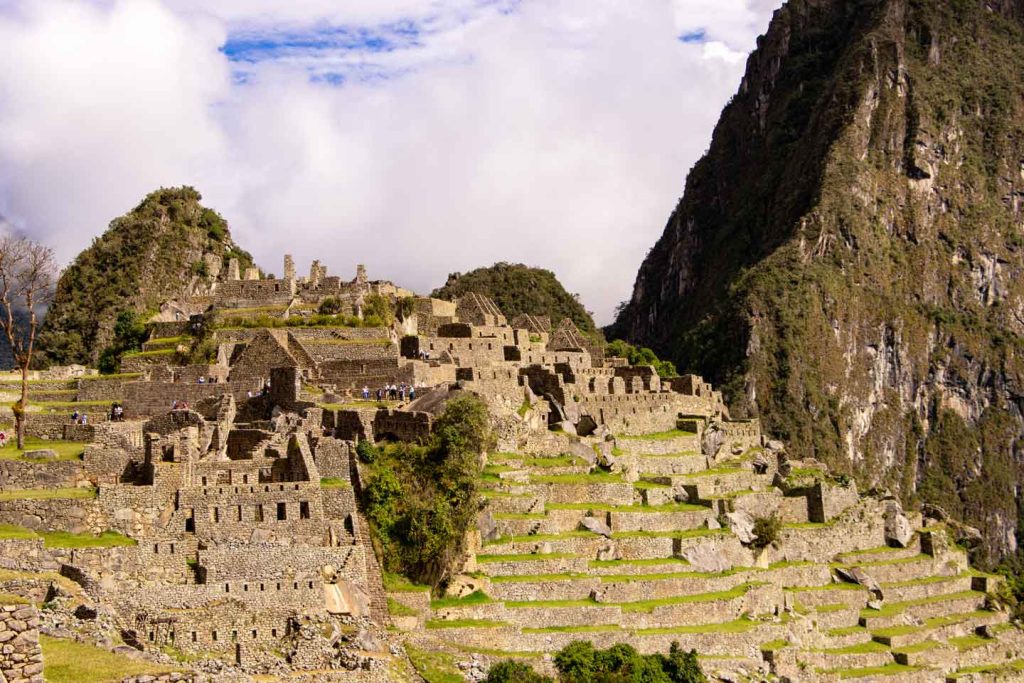
Hiram Bingham deliberately sought out the “lost city” of the Incas. On July 24, 1911, the American archaeologist found Machu Picchu. The site had remained hidden from researchers until then because they hadn’t suspected a large citadel on the saddle between two mountains, surrounded on three sides by the rushing Urubamba River and overgrown by jungle.
The local inhabitants knew of the ruins, but not their historical significance. Ancient chronicles and more recent travelogues hinted at the city’s existence. Bingham, a history professor at Yale University, managed to locate the area around the site based on these texts. And there, in the Urubamba Valley, he met the Peruvian Melchor Arteaga one hundred years ago, who led him across a rickety bridge and over steep slopes. Suddenly, two Indigenous people appeared before them and led them onward to their narrow fields on the terraces built by the Incas. Finally, a little further uphill, they came upon the stone walls of the Inca city.
Machu Picchu was built around 1450 by the Inca Pachácutec, the founder of the Inca Empire. The city likely served as both an Inca summer residence and a religious center. After the Spanish conquest, it remained largely forgotten for a long time. Bingham found hardly any objects in the city that could have been of value to its former inhabitants—no gold objects, only ordinary household items, suggesting that the residents had left the city together.
For the researchers, however, every piece was valuable for studying Inca life. Bingham took some 6,000 objects back to Yale, where they were housed in the Peabody Museum. The Peruvian authorities had permitted their export as a loan for a limited time. Nearly 100 years later, just a few months after Machu Picchu was named one of the New Seven Wonders of the World in 2007, an agreement was reached between the US university and the Peruvian government to return the Machu Picchu collection to Peru.
At the end of March 2011, Yale University handed over the first 366 pieces of the collection to Peru. They were initially exhibited in Lima and then transported to Cusco. The remainder was expected to arrive in Lima by the end of 2012. The Peruvians now face the challenge of building an appropriate museum for the collection, likely in Cusco, 112 kilometers (70 miles) from Machu Picchu.
 |
 |
|---|
After centuries of isolation, Machu Picchu was suddenly thrust into the spotlight with its “discovery.” Bingham published his report on the Andean find in National Geographic magazine. The city, situated at an altitude of over 2,400 meters (7,500 feet), became a symbol of the close relationship between past civilizations and nature.
Machu Picchu: The Enigmatic Citadel in the Clouds
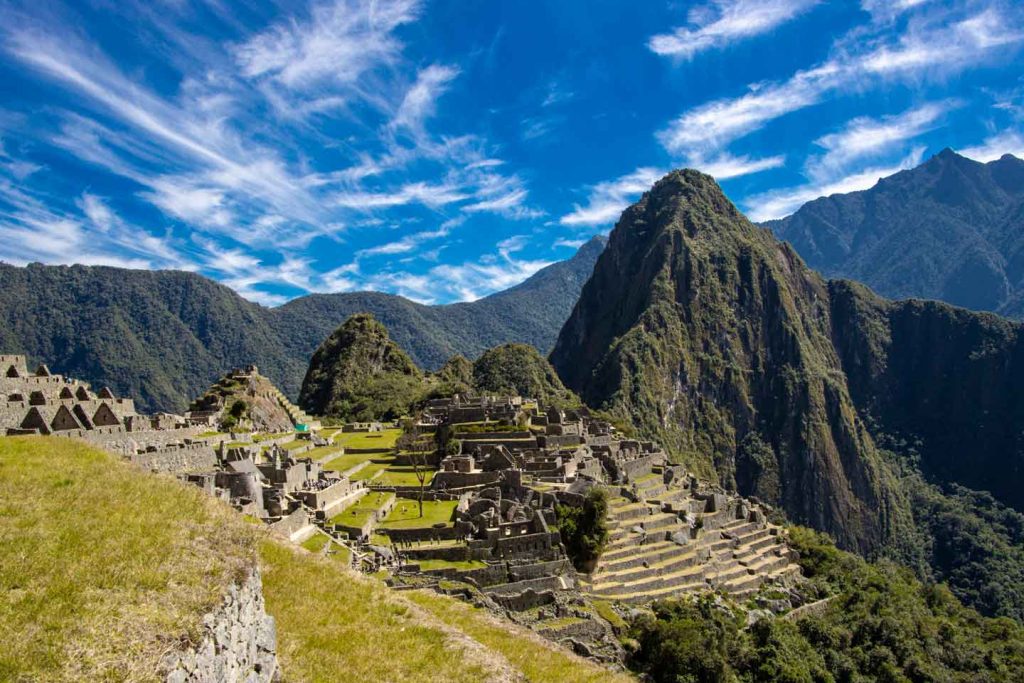
Machu Picchu, one of the most fascinating places in the world, lies in the heart of the Peruvian Andes, about 100 kilometers northwest of Cusco. This ancient city, nestled between two mountains at an altitude of approximately 2,430 meters above sea level, about 900 meters above the Urubamba River, attracts thousands of tourists from all over the world every year. What makes Machu Picchu so special? We invite you on a journey through the most important facts, curiosities, and secrets of this extraordinary place.
Machu Picchu: Sanctuary of the “Virgins of the Sun”
Machu Picchu, also known as the “Lost City of the Incas,” is a place steeped in mystery and legend. Archaeologists estimate that around 1,500 people lived in this religious center, most of them women. The ratio of men to women was as high as 1:10, suggesting that Machu Picchu was not a typical city, but rather a place of sun worship and a sanctuary for women known as “Sun Maidens.”
These women played a key role in religious rituals and ceremonies. They were the guardians of the fire, which symbolized the sun—the principal deity in Inca culture. It was believed that the “Sun Maidens,” through their prayers and offerings, ensured the protection and favor of the gods for the entire kingdom. Their presence at Machu Picchu gives this place a unique character, making it not only an archaeological but also a spiritual center.
Inca Architecture and Engineering
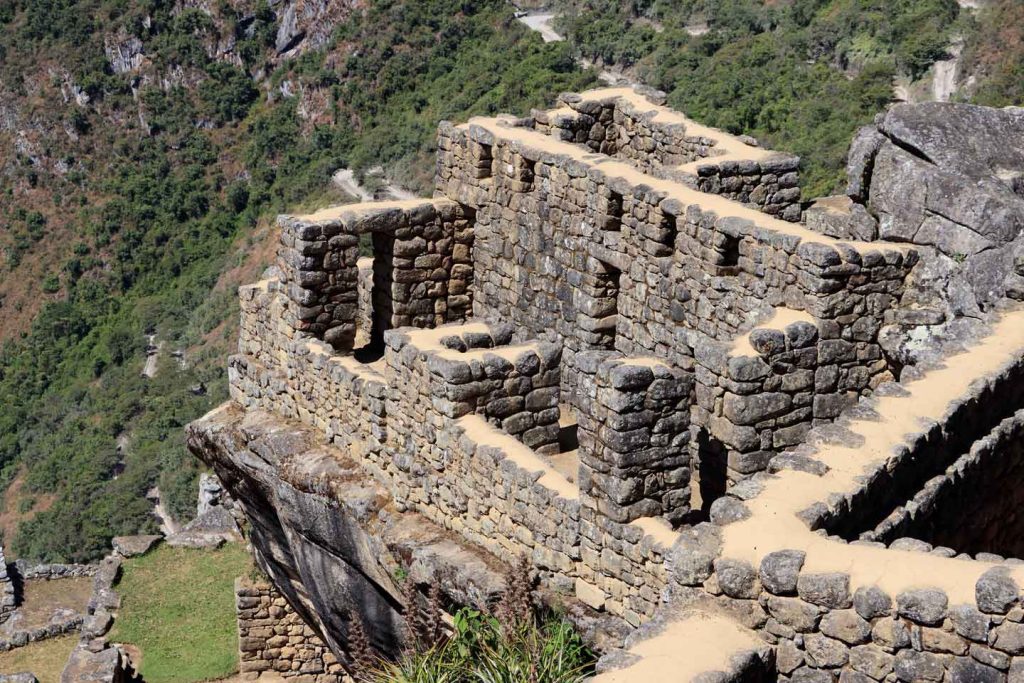
The buildings at Machu Picchu are a true testament to the architectural and engineering mastery of the Incas. Constructed from local stone, they utilize various types of masonry, impressive in their precision and durability. The striking trapezoidal entrances and windows not only provide aesthetic appeal but also ensure the structure’s stability and protect it from earthquakes.
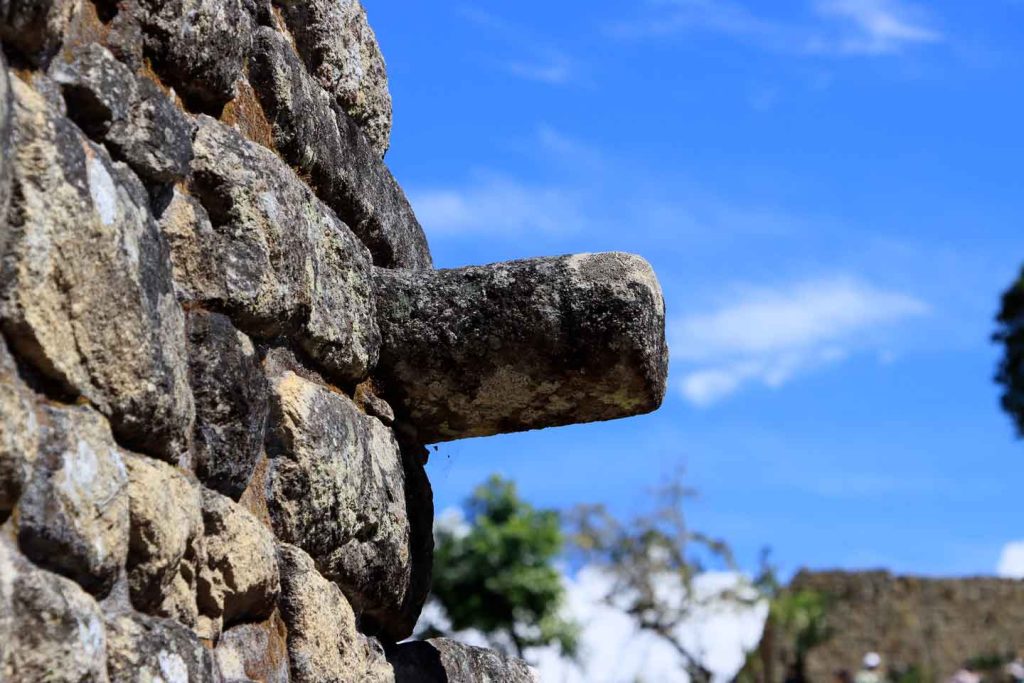
One of the most fascinating aspects of Machu Picchu’s architecture is the way the massive granite blocks are joined together. They were joined without mortar, and their edges were so carefully smoothed that they fit together almost perfectly. These extremely durable walls have barely perceptible joints, which continue to amaze engineers and archaeologists.
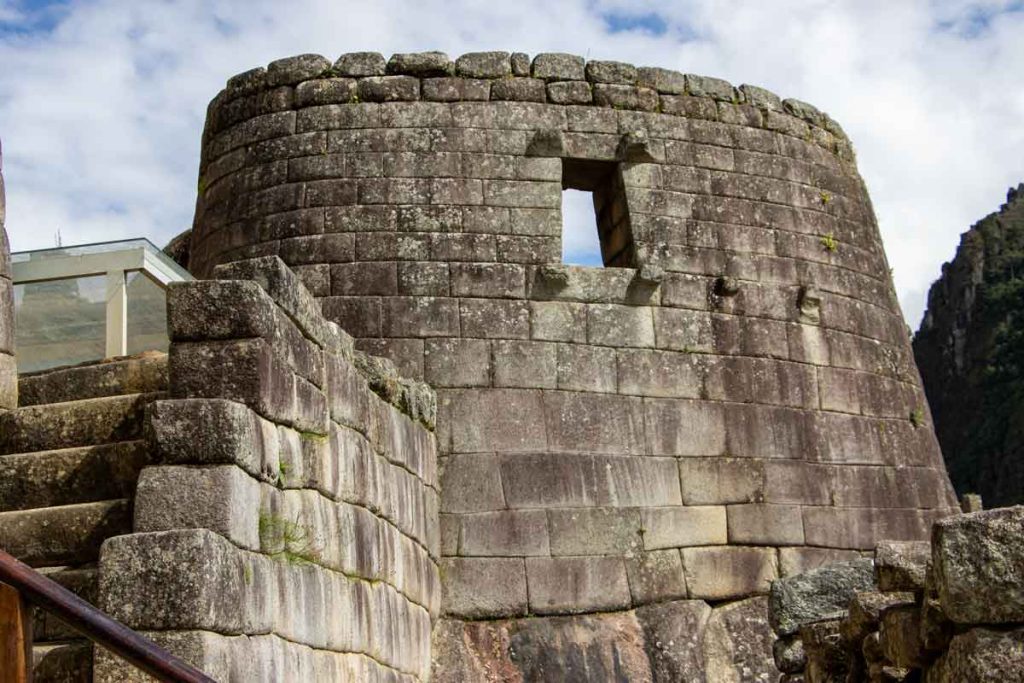
In Machu Picchu, you can admire many historical buildings, such as the Sun Tower and the Temple of the Three Windows. The Sun Tower is a horseshoe-shaped structure with a window facing the sun, which allowed for the calculation of important dates such as the equinoxes. The Temple of the Three Windows, with a rectangular boulder at its center, was a site for astronomical observations and played a key role in the lives of the Inca.
Agriculture on Steep Slopes
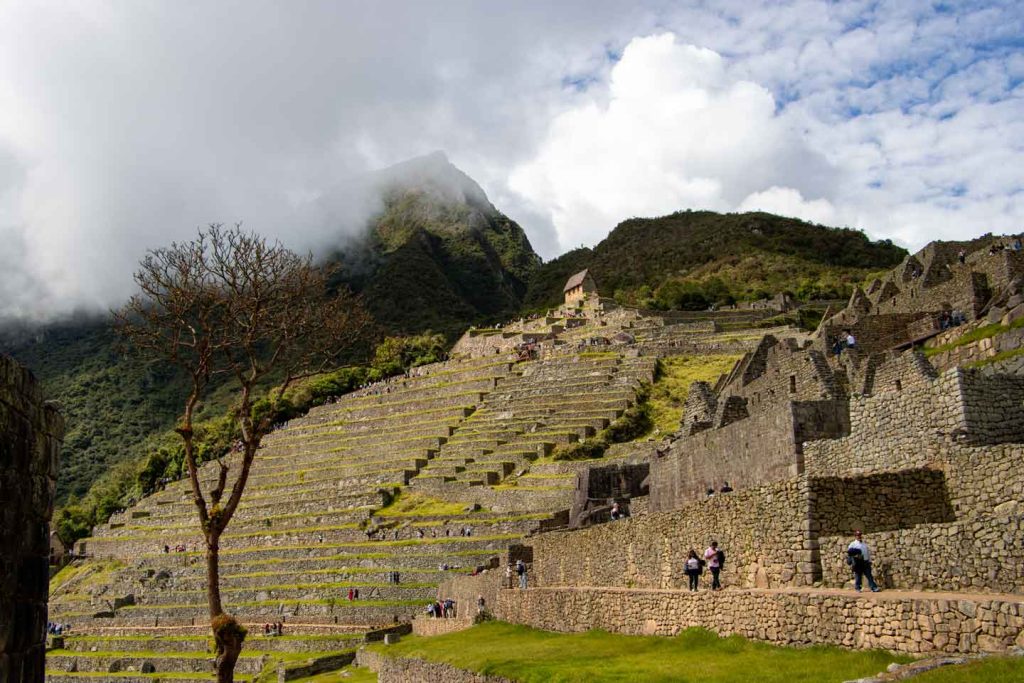
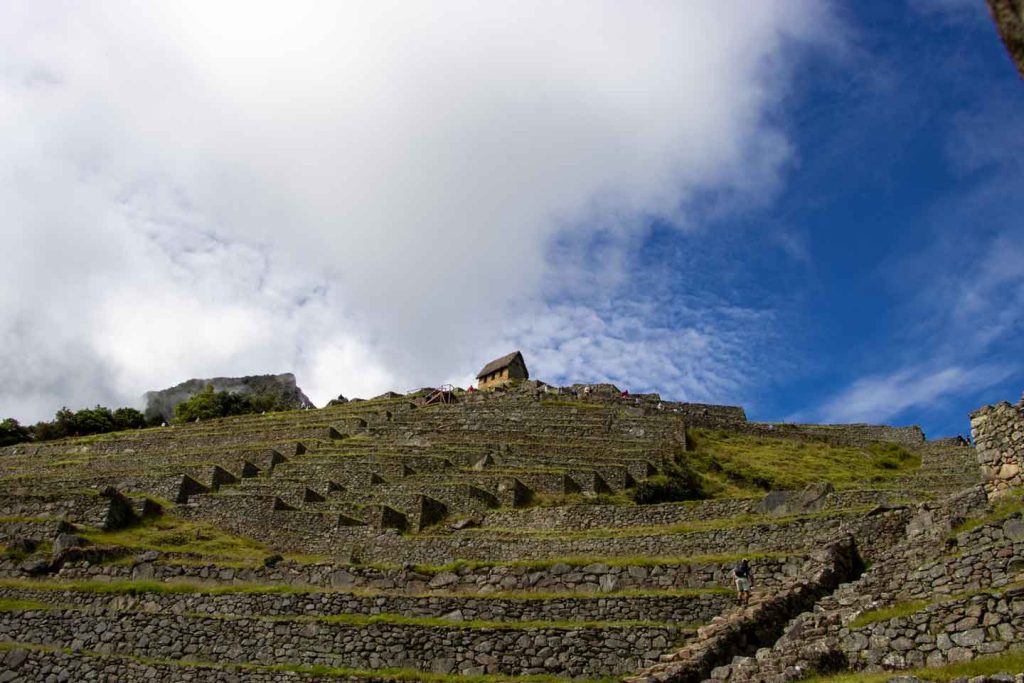
Machu Picchu is not only an architectural monument but also an example of extraordinary agricultural engineering. The steep mountain slopes were transformed into terraces where potatoes, corn, and other vegetables were cultivated. The stone walls held the soil in place, preventing erosion and allowing for the efficient use of every piece of land.
These terraces not only enabled crop cultivation on difficult terrain but also had ecological significance. They helped retain water and prevent soil erosion, which was crucial for the stability of the entire complex. In this way, the Incas not only provided themselves with food but also created an agricultural system that worked in harmony with nature.
 |
 |
|---|
Secrets and Mysteries of Machu Picchu
Machu Picchu holds many secrets that continue to fascinate researchers. One of them is the way the Incas joined together enormous granite blocks without mortar. These meticulously smoothed stone edges, which fit together almost perfectly, are a testament to the exceptional skill of the Inca craftsmen. Their construction techniques ensured not only durability but also earthquake resistance.
Another mysterious aspect of Machu Picchu is its numerous aqueducts, fountains, baths, and ceremonial buildings. These structures demonstrate the advanced level of water technology and sanitation, which provided the city’s inhabitants with clean water and comfort. Fountains and aqueducts not only supplied water but also served as decorative elements, underscoring the importance of water in the lives of the Inca.
Also noteworthy are the numerous gardens and terraces that adorned Machu Picchu. These green spaces not only provided sustenance but also served an aesthetic and relaxing function. For the people of Machu Picchu, the gardens were a place of peace and contemplation, adding another dimension to our understanding of life in this ancient city.
Unknown Facts About Machu Picchu
Although Machu Picchu is well-researched and described, it still holds many unknown secrets and curiosities that might surprise even seasoned experts on the site.
One fascinating aspect is the fact that Machu Picchu, while generally considered a city, was more of an important ceremonial center than a typical residential area. Most of its inhabitants were likely priests, servants, and other people involved in religious rituals.
Another remarkable feature is Machu Picchu’s sophisticated water management system. The Incas built a complex system of aqueducts that supplied water to different parts of the complex and also served to drain rainwater and prevent erosion. This advanced hydraulic technology was not only a testament to the Incas’ engineering prowess but also crucial to the complex’s functioning in the harsh mountain environment.
Another interesting fact is that Machu Picchu was only discovered relatively recently, in 1911, by the American explorer Hiram Bingham. It was a serendipitous discovery, as the ruins were hidden beneath dense vegetation that had concealed them from the outside world for centuries.
One final, but equally interesting, fact is that Machu Picchu is an object of great astronomical significance. The buildings of the complex are arranged in such a way as to allow for precise astronomical observations, demonstrating the Incas’ profound understanding of celestial movements. One example of this is Intihuatana, or “the place where the sun is bound,” which was used for accurate observations of the sun and other celestial bodies.
Challenges of the Modern Age
Despite its age, Machu Picchu faces the challenges of the modern age. The excessive number of tourists and the lack of sanitation and hygiene infrastructure pose a serious threat to this precious monument. The Machu Picchu Reserve, a UNESCO World Heritage Site, does not permit the construction of garbage containers or public restrooms, making waste disposal difficult.
There is also a problem with the trash left behind by visitors, which threatens the unique ecosystem of this site. Authorities and cultural heritage organizations are working to reduce the negative impacts of tourism on Machu Picchu by limiting the number of visitors and promoting responsible behavior.
How to Prepare for a Visit to Machu Picchu
If you are planning a visit to Machu Picchu, it is worth preparing well to fully enjoy this extraordinary place. Due to the high altitude, acclimatization is advisable beforehand. Cusco, often used as a starting point for excursions to Machu Picchu, lies at an altitude of approximately 3,400 meters above sea level, which can be challenging for tourists unaccustomed to such conditions.
When traveling to Machu Picchu, you should equip yourself with comfortable shoes, clothing suitable for the changeable weather, and a supply of water. In accordance with the reserve’s environmental protection rules, it is also recommended to take all trash with you to avoid polluting this precious site.
Tickets for Machu Picchu should be booked in advance, as the number of visitors is limited to protect the monument from overcrowding. It is also worthwhile to hire a guide who can share the history and interesting facts surrounding this site, which will certainly enrich your visit.
Visit Machu Picchu
Machu Picchu is a place that combines incredible history, breathtaking architecture, and stunning landscapes. This ancient city, a testament to the genius of the Inca, still holds many secrets waiting to be discovered. Its significance as a religious and cultural center, as well as a feat of engineering, makes it one of the world’s most important monuments.
A visit to Machu Picchu is not only a journey into the past, but also a reflection on our responsibility to protect this unique place. Preserving Machu Picchu for future generations requires cooperation, awareness, and respect for the legacy left to us by past civilizations.
Mountains Near Machu Picchu
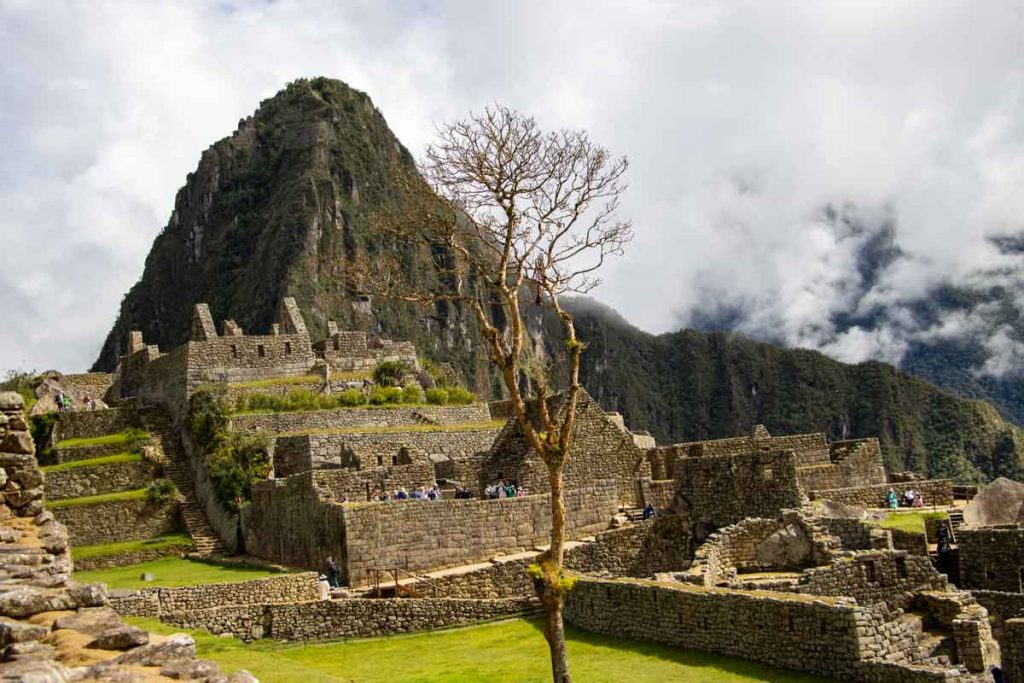
Huayna Picchu: This towering peak looms in the backdrop of Machu Picchu. Adventurous visitors can embark on a challenging hike to the summit for breathtaking views of the citadel and surrounding landscapes.
Machu Picchu Mountain: Opposite to Huayna Picchu, this mountain offers an alternative trek with stunning panoramic views. The hike is less steep but equally rewarding, taking you to greater altitudes.
Putucusi: For a less crowded trek, consider Putucusi, a mountain on the opposite side of the Urubamba River. The climb is steep, but the reward is a unique perspective of Machu Picchu.
Share this tourOur Awards
Mt Picchu - Inca Trail Machu, Our best publicity is customers who return to us and our exceptional reviews on TripAdvisor, where we proudly hold a 5-star rating and have been awarded the Certificate of Excellence 2025