

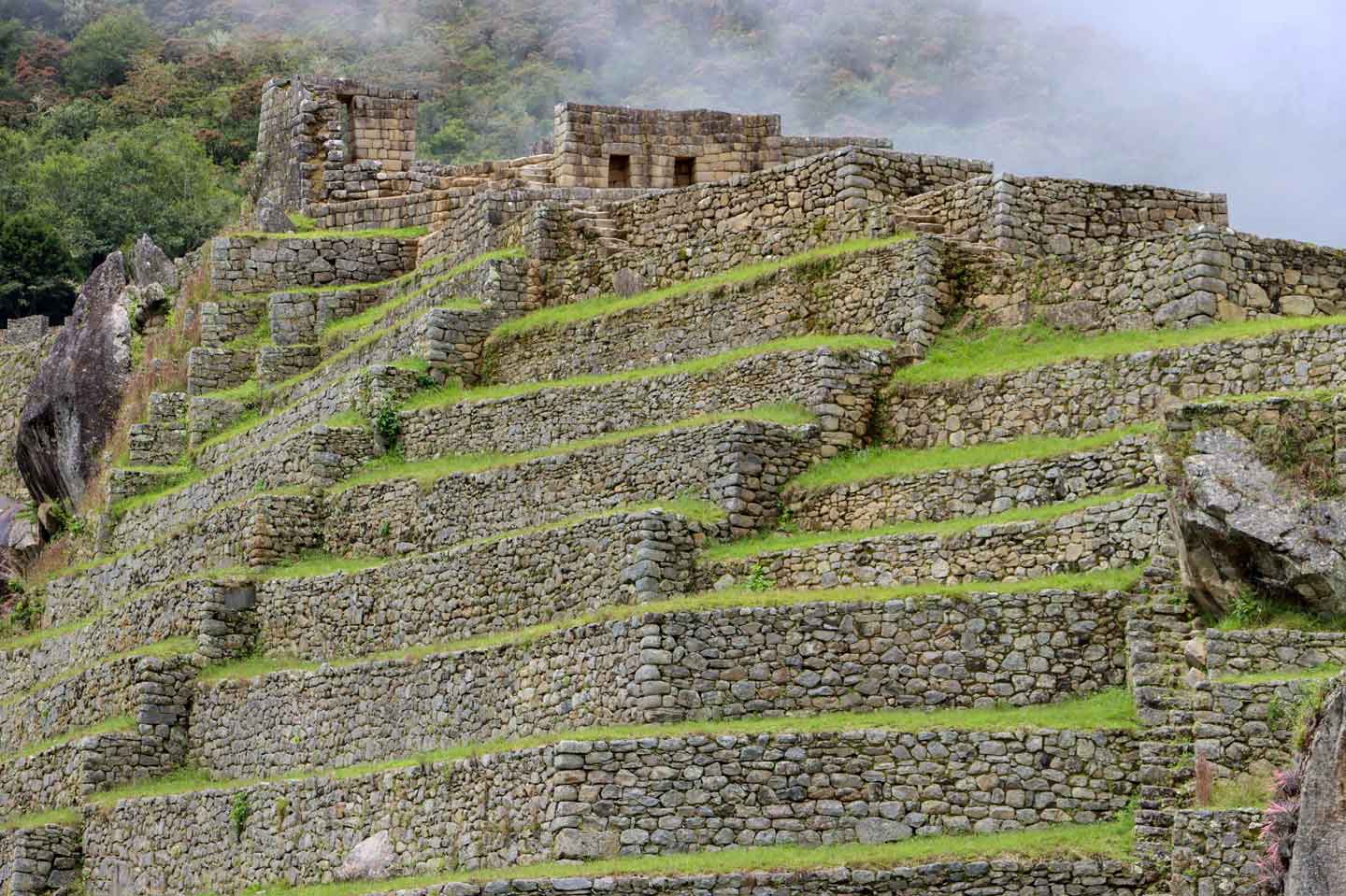
Few archaeological sites captivate the human imagination quite like the Inca citadel of Machu Picchu, nestled high within the rugged Andes of Peru. Enshrouded in a perpetual mist and mystique, it impresses visitors not only with the monumental architectural achievements of the Incas but also with its dramatic setting overlooking the Urubamba Valley.
Perched at an altitude of 2,430 meters (7,972 feet) between lush mountain peaks lies this world-famous icon. Travelers from every corner of the globe journey to this remote region in southeastern Peru, all eager to explore the unique relics of a proud Andean civilization. However, the continuous flow of visitors makes preservation a top priority. Travelers wishing to experience Machu Picchu must remain mindful of the site’s fragility and strictly adhere to local regulations.
The Discovery of an Ancient Wonder
Protected by jagged rock faces and bordered by the roaring Urubamba River slicing through the cloud forest below, Machu Picchu sits on a spectacular, isolated plateau. Constructed in the mid-15th century without metal tools, draft animals, or mortar, the complex features over 200 stone structures crafted from precisely shaped granite blocks. Yet, the exact purpose of this massive undertaking remains a mystery. Was it a sacred pilgrimage site, a royal summer estate for the Inca Emperor Pachacuti, or an administrative outpost? While many theories exist, none can be definitively proven.
Because the Incas did not leave behind a written record, even the original name of the settlement remains unknown; it was simply named after the towering mountain upon which it rests. Recent historical research suggests that the name “Machu Picchu” became widely established only after its rediscovery. Hidden underneath dense vines and thick layers of moss for centuries, the city completely escaped the destructive plundering of the Spanish conquistadors. This preservation left an extraordinary, intact time capsule of residential quarters, agricultural terraces, irrigation channels, and sacred temples.
How Hiram Bingham Inspired the World
In 1913, explorer Hiram Bingham dramatically introduced Machu Picchu to the Western world through a dedicated edition of National Geographic. His vivid texts and photographs documented an astonishing sanctuary hidden deep in the cloud forest, located days away from the historic Inca capital of Cusco.
Today, nearly 60 percent of the original complex stands intact. Designated a UNESCO World Heritage Site in 1983 and voted one of the New Seven Wonders of the World in 2007, the archaeological complex comprises 216 interconnected structures, stone corridors, and over 3,000 steep stone steps. Archaeologists generally divide the sacred citadel into distinct urban, agricultural, residential, and spiritual sectors, all centered around a sweeping green main plaza.
In the Footsteps of the Incas Through the Sacred Valley
The region surrounding Cusco is rich with ancient ruins, ceremonial sites, and agricultural complexes. The city of Cusco itself—situated at an altitude of over 3,400 meters (11,152 feet)—served as the belly and capital of the vast Inca Empire. It still showcases spectacular stone foundations, such as the Callejón de Siete Culebras (Alley of the Seven Snakes) and the majestic sun temple, Coricancha.
Northwest of the capital lies the Sacred Valley of the Incas, where major archaeological sites like Pisac and Ollantaytambo stand as prominent landmarks. Unlike Machu Picchu, these valley towns were discovered and heavily altered by Spanish forces. Nevertheless, exploring these impressive ruins provides essential historical context and helps travelers acclimatize before their main visit to the Wonder of the World.
Planning Your Journey: Routes to Aguas Calientes
While reaching Machu Picchu is far more accessible today than during the height of the Inca Empire, the journey still requires careful coordination. All routes begin in Cusco and funnel through the valley town of Aguas Calientes (Machu Picchu Pueblo) at the base of the mountain.
Choosing Your Style: Treks vs. Trains
Multi-Day Hiking Treks: Adventurous travelers can opt for classic treks, such as the world-famous Inca Trail, which follows a preserved portion of the original Inca road network straight into the citadel. Alternative routes like the Salkantay or Lares treks also offer spectacular mountain scenery.
Scenic Train Travel: For those who prefer not to hike, the most popular route involves a vehicle transfer from Cusco to the train stations at Poroy or Ollantaytambo, followed by a scenic train journey operated by PeruRail or Inca Rail directly to Aguas Calientes (typically a 1.5 to 3.5-hour trip depending on the station).
Reaching the Main Entrance
From Aguas Calientes, a winding switchback road climbs the steep mountainside to the citadel’s main gates. This road is restricted exclusively to authorized eco-shuttle buses, which run continuously starting at 5:30 AM and take roughly 30 minutes.
During the peak dry season (April to October), morning lines for the shuttle buses can involve noticeable wait times. Travelers looking to experience the route on foot can opt for a clearly marked, uphill hiking trail from the valley floor to the main entrance, which takes approximately 1.5 hours of steady climbing.
Navigating the Machu Picchu Ticket System
Purchasing entry Machu Picchu tickets is a straightforward process, but it requires advanced planning as the Peruvian government utilizes a strict reservation system to protect the archaeological site. Tickets are divided into distinct circuits and routes, each determining exactly which parts of the ruins you can explore.
Expert Tip: Standard entry tickets only grant access to specified areas within the citadel. If you wish to hike one of the surrounding peaks, you must purchase a specific combination ticket well in advance.
Exploring the Peaks: Huayna Picchu and Machu Picchu Mountain
Huayna Picchu: The iconic, emerald-green peak that forms the classic backdrop of the ruins. The steep, three-hour round-trip hike features narrow Inca staircases and vertical drop-offs. It is physically demanding and strictly recommended for those comfortable with heights. The peak provides an unmatched, bird’s-eye view directly down onto the sacred plazas.
Machu Picchu Mountain (La Montaña): Situated directly opposite Huayna Picchu, this is the highest standing peak in the area. The trail is wider, more gradual, and better developed, making it a physically challenging but technically easier alternative that opens up unparalleled panoramic views of the entire valley and surrounding geography.
Because daily capacities for these mountain routes are heavily restricted, tickets regularly sell out months ahead—even during the shoulder season. Simple citadel admission tickets offer slightly more flexibility, but securing your passes online through the official platform or booking via a reputable, licensed local agency remains the safest way to guarantee your preferred dates and times.
Machu Picchu Rules, Regulations, and Citadel Logistics
Once your ticket is validated at the main turnstile, specific regulations govern your visit to ensure smooth foot traffic and preservation:
Time Limits: Standard entry slots grant a designated window of up to four hours inside the archaeological park.
One-Way Circuits: Visitors must choose from designated, marked circuits at the entrance. Backtracking or reversing direction on the paths is strictly prohibited to keep traffic moving fluidly.
Facilities: There are absolutely no restrooms or trash receptacles inside the ancient city. All personal needs must be taken care of outside the gates before entry. Please note that re-entry is strictly prohibited; once you step past the exit turnstiles, your ticket is no longer valid.
Park Rangers: Roughly 80 professional park rangers patrol the circuits daily to protect the stonework and ensure all visitors stay on the designated paths.
Insider Tips for the Perfect Trip
Target the Shoulder Months: To balance optimal weather with smaller crowds, consider planning your trip during the transitional months of March, April, or November.
Avoid the Day-Trip Rush: Rushing from Cusco to Machu Picchu and back in a single day results in over eight hours of transit for a brief visit. Instead, travel to the Sacred Valley or Aguas Calientes the day before, enjoy a relaxing evening, and enter the ruins refreshed the following morning.
Consider an Afternoon Slot: Most day-trippers and large tour groups pack the morning shifts. Opting for an entry slot closer to midday often yields a much more tranquil, relaxed atmosphere as the morning crowds begin to exit.
Alternative Inca Sites: Choquequirao
For experienced hikers seeking an off-the-beaten-path adventure away from modern infrastructure, Peru offers incredible alternatives. Chief among them is Choquequirao, often referred to as the “sister city” of Machu Picchu due to its striking structural and architectural similarities.
Perched on a remote ridge in the Vilcabamba range at 3,000 meters (9,842 feet), Choquequirao also escaped Spanish detection. Currently, the site can only be reached via a rigorous, multi-day wilderness trek. For travelers looking to step back in time and experience grand Inca architecture in absolute solitude, it remains one of South America’s best-kept secrets.